This Is The New Big Thing In Replacing A Window Handle
Tips For Replacing a Window Handle It is easy to change your window handle in the convenience of your own home. Follow these tips for smooth operation and a stunning look. Remove the screws from your uPVC handle to reveal the screws. Make sure you measure the spindle in order to make sure you are getting the right size replacement. 1. Determine the length of the Spindle. When you're replacing a window handle, it's important to determine the dimensions of the spindle correct. It can affect the tightness or elasticity of the handle and whether the handle locks correctly into the frame of the window. The spindle is a metal shaft that connects the handle to the lock inside the window frame. The spindle is either a standard 8mm cross-section in the industry or older 9mm versions. The current industry standard is 8mm however this was not always the case so when purchasing a new handle, it's essential to check the measurements. Take the handle off. This is done by turning the handle in the open position, and taking off two screws that secure the handle (which are usually hidden behind plastic caps which must be removed). Once the handle is removed, take a measurement from the base to the end. This will give you the measurements needed to buy a replacement. There are a variety of options when it comes time to choose a new window handle. From door handles that can fit into a modern home to traditional burnished bronze that looks great in restored Georgian rooms, or even the more classic Tudor Cottages with curled mongoose-tail latches. The possibilities are endless, but the most important thing is to choose a style that suits your home. Espag handles are usually used to uPVC window frames and are always the same size, with a 43mm centre. Cockspur handles are available in a range of sizes, ranging from 58mm up to 62mm. Cadenza window handles have a different size due to their angled blade which operates a multi-point lock mechanism inside the window. Another consideration when selecting the right window handle is knowing what hand you require to use, which is defined by what hand you use to open the door. Inline Espag window handles aren't handed and can be utilized for left or right handed windows. Cranked window handles can only be used for windows that open in one direction. 2. Take the handle off Whether the handle is damaged or simply worn out the handle of a window that falls off can be a real pain. The good news is that replacing a uPVC window handle is a very easy task that you can complete yourself. All you need is some basic tools and a bit of time to complete the process. You will need to first open the window and then ensure that it's not locked. Then, remove the screw caps that hold the handle in place. Once the screw caps have been removed, you will be able remove the handle. The handle is connected to a spindle within the window frame. The handle is fixed by either a screw or pin according to the type of handle. The most commonly used types of handles are inline Espagnolette handles and cockspur handles. Both types of handles are found on casement windows, including aluminum ones. The handles can be locked by using a key to prevent unauthorised access from outside. Or you can lock the handles by turning them clockwise. To take the handle off, you will require a flat-bladed screwdriver. Once this is released, the handle will fall off the spindle. When the handle is removed, you will have to determine the length of the spindle and make sure that the new handle is compatible with the spindle's length. Once you have determined the proper size for the handle, screw it into place. You must ensure that the new handle is firmly fixed and is turning the correct way (clockwise for open and counterclockwise for closed). It is also crucial to make sure that it isn't fitted upside down. In the end, you must replace the screw cap caps. Once you have done this you can test the handle to confirm that it works properly. It is also recommended to test the locking mechanism by moving the handle until it is locked position, and then returning it to the locked position. 3. Remove the Screws A uPVC window handle is a crucial element of any home and is often the first thing to show signs of wear and wear and tear or damage. This can be due to natural factors, regular use or even intentional damage by criminals trying to gain access to your home. A simple replacement can solve the problem and prevent it from occurring again. UPVC handles may also be difficult to open when the locking mechanism isn't working correctly. In most cases, the issue can be solved by replacing the multipoint lock instead of the entire handle, and it's worthwhile to check this out because it could save you money. After you've removed the old handle, you will need to take off the screws that held it in place. These screws are usually located on the inside of the base of the handle. It is possible to use a screwdriver to do this. Be cautious not to over tighten the handle, as this can cause it to loosen. Then, you'll have to find the pins or screws that secure the handle. They're usually on the inside of the handle base. You'll need a screwdriver to remove them. If you wish to replace them, you can do so by replacing the caps on the screw and test the handle to ensure it functions correctly. 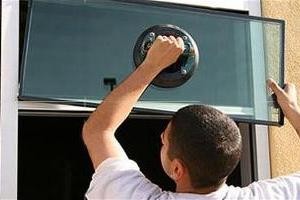 Install the handle by aligning the spindle with the window's cutout mechanism. Then, screw it in. If you want to replace the screws, make sure the handle is in an open position and that the screws are securely secured. Then you can enjoy the newly installed window handle. This will hopefully help you avoid costly window and door replacements in the near future. If you would like more help regarding this or any other aspect of your uPVC windows, don't hesitate to contact us. 4. Fit the New Handle If you're replacing a damaged handle or simply making it more modern the procedure is simple and can be completed in a matter of a few steps. The most important thing is to identify the type of handle, determine its spindle and identify the tools you'll need to complete the job. Always consider security when working with windows and tools. Take your time to follow the steps and ensure that you have an appropriate handle for use. The first step is to find the screws that hold your current window handle and remove these, whilst keeping an appropriate grip on the handle itself to stop it from falling suddenly and causing injury. Once the screws are removed, you can put them in a secure location to be replaced later. After the handle that was used previously is removed, you are now able to begin to fit your new one. It is essential that the handle is fitted perfectly to ensure that it is functional and secures the window in place. Next you need to slide the square metal bar on the handle into the hole in the window mechanism. The last step is to replace the screws caps and test the handle to ensure it works. If you're not satisfied with the result or if the window doesn't open and close as it should, the next step is to contact our experts who can help. The majority of UK homes are equipped with uPVC Windows. This means that a lot of them will require replacement at some point because of wear and tear or breakage. The process is relatively straightforward and can be completed by anyone with a bit of knowledge of DIY. The most crucial aspect to the success of the procedure is ensuring that you're using a handle that is compatible with your existing window in terms of size and design. If you're not sure what kind of handle you'll require, please get in touch with our team who can help you navigate the various options available.